

When it comes to player numbers for an online game, people first look at how many players are currently active or registered. This information indicates that a game is vibrant, full of life, and has a loyal, passionate community. However, the raw number of players is a crude measure and does not tell you everything there is to know about an online game.
Beyond multiplayer games, where player base drives the dynamics between matchmaking and server population, these figures also show how gameplay changes over time and what a player can expect at any given moment. A large base indicates popularity, but it may not reflect the current state of an ongoing game.
Game Player Counts Tell You If a Community is Active
Fan base size in shooter games, for example, directly affects one’s game experience, as the community is playing online at the same time. The valorant player count is a metric people often look at when considering the community’s activity level, not just a number. The distribution of players across regions, the variety of player skill levels, and the types of games players are playing are key elements that player count helps reveal: whether enough people are online to support matches throughout the day without major issues.
That data is especially helpful when you look at it alongside queues and matchmaking. For example, a game may have millions of registered accounts, but what makes someone want to open the game later that night is how many of those people are actively playing. Active player count indicates how many players are currently in the game, as reflected when you log in and create a match.
Similarly, in multiplayer gaming, a bigger community generally means the systems working around the game can perform well.
Server Population is one of the key aspects in an Online Game
A massive multiplayer online game is probably one of the few game genres that you can visually experience the difference player count makes.
Taking the example of a World of Warcraft server, you are more concerned about the number of people regularly logging in, raiding, gathering materials, shopping, and joining parties than the total number of people who ever created a character on that server.
If you happen to be on a server with a high population, then the game experience in various ways could have been affected as follows:
- Having more groups that you can join for raids, dungeons, a nd other events
- Bigger and better community building with a strong network of guilds looking for members
- Bigger and more frequent interactions in shared spaces of the game world
- Wider variety of options when looking for people who are interested in the same type of content
This is why MMO gamblers tend to care more about the server-specific player population than the game’s total player base.
How Queue Times Might Say Much More Than Just a Headline
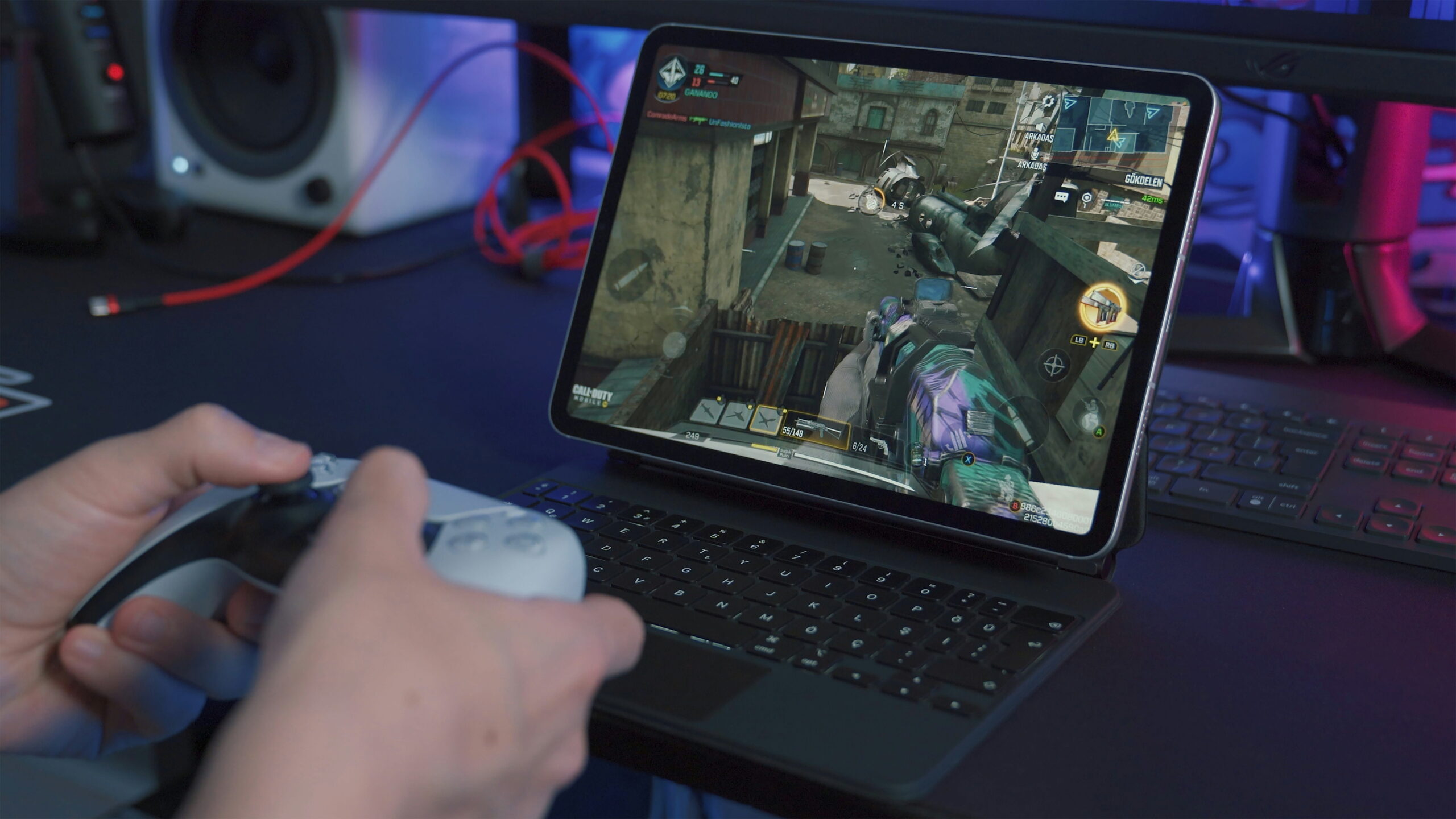
Queue time is another indication that reveals more than headlines. In a shooter game, a battle arena, or any game that requires competing with other players, the game will look for as many players as possible to keep matches fair. More players looking to play at the same time give the system more options.
That makes it much easier to find players of equivalent ranking, those who prefer the same game modes, and others who are regionally located nearby.
Nonetheless, it is important to interpret the overall player figure in relation to the type of game. A multiplayer game with various modes may split its player base between different types of play such as casual, ranked, special events, or custom games.
Digging a bit deeper, we are not only interested in how many people are playing, but also where they’re spending their time.
Content Activity Is Another Very Good Indicator
Player numbers tell a lot, and that becomes even clearer when you connect them to content. Big updates can really bring people back to a game. New maps, characters, expansions, seasons, missions, or competitive events – all this new stuff can lead to dramatic shifts in activity levels.
These trends show how well a game keeps its community engaged.
For instance:
- A significant increase in activity due to a major expansion
- Bigger crowds are brought about by fresh seasons
- Fanatical communities are revived once the hotly awaited popular map debuts
- Major tournaments or events result in very active players
Those fluctuations in activity are a better way to tell whether players are excited or just bored with the new features than counting how many players are there on a single day.
Retaining Players is as Significant as Attracting Them
Your player count skyrocketing overnight might be a nice PR point and generate media noise, but the real sign of game development quality is long-term player retention.
If the same players come back weeks or months after an update, the game is probably giving them good reasons to stay.
Tracking trends is where this becomes really important. Seeing one number is just a snapshot. However, seeing several years of data really creates a story.
A community that remains constant over time can be just as valuable as having a large number of players, since it can support matchmaking, guilds, player vs. player battles, and new content releases that are frequently made over a long period of time.
Player Numbers Don’t Tell the Entire Story
You can’t fully understand an online game with even the most comprehensive and accurate single statistic. However, the picture of player numbers you get improves when you add details like average matchmaking queue times, server activity levels, content releases, community discussions, etc.
In the case of an MMO, checking whether a server is still having active guilds might be one thing to check. Whereas for a FPS player, checking the rate at which matches are found for different leagues and ranks could be a useful indicator.
Actually, the most thriving online games are not simply the ones with the largest player base but the ones where the player remains active, regularly finds new content and keeps playing the game together with other players forming an energetic online community.
What’s really awesome about player numbers is how they tell stories beyond just the naked figures on the page. In fact, they can reveal something about what it feels like to log in and actually play.