
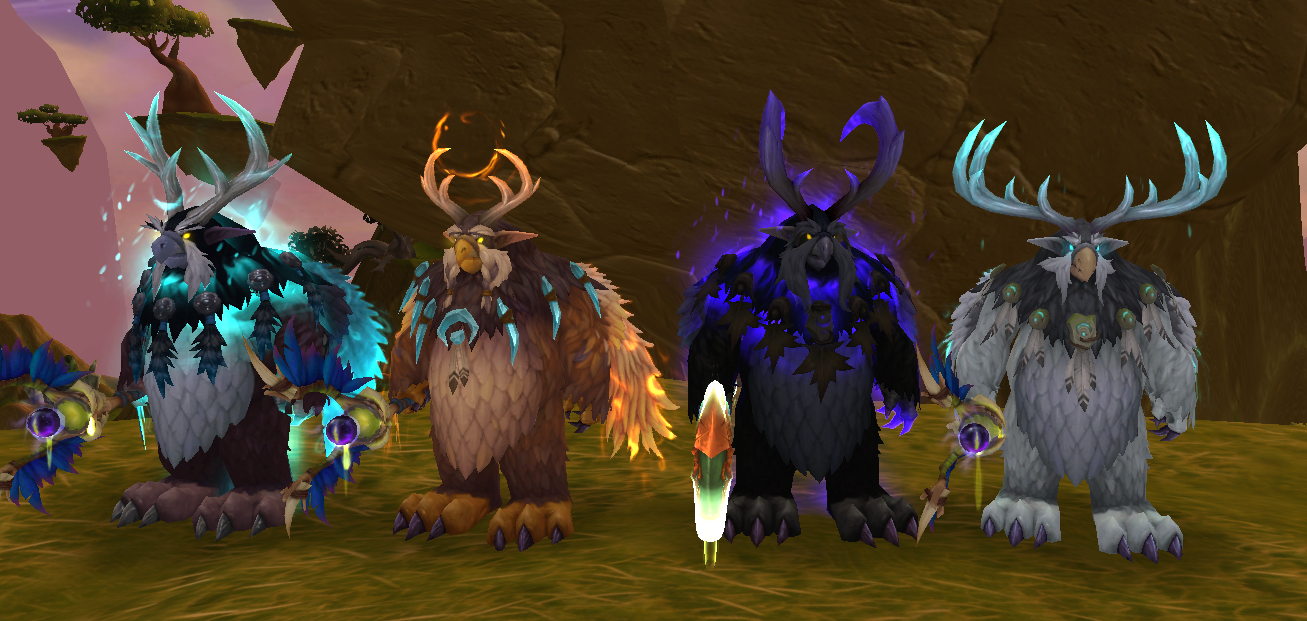
World of Warcraft: Wrath of the Lich King shipped its 3.3.5a client in 2010. Blizzard has released official Classic versions of nearly every era since, including a Wrath Classic re-release. Yet a large chunk of the private server community has stayed on the original 3.3.5 client and is now pouring effort into rebuilding it from the inside out. New tools are bolting modern rendering, modern assets, and even features from expansions released more than a decade after Wrath onto an engine that predates most of them.
The pull away from Official Classic
Private servers exist outside Blizzard’s ecosystem by definition, so switching to an official Classic client was never really on the table for that community. But the reasons players stick with 3.3.5 go beyond simple access.
The 3.3.5a client is free, stable, and thoroughly understood. Fifteen years of private server development means the client’s file formats, network protocol, and addon API are documented down to the byte. That’s what makes deep modification possible in the first place; nobody has that level of access to Blizzard’s current client or its Classic builds.
Official Classic also comes with Blizzard’s rules attached: a subscription, a fixed feature set, and no custom content. Private servers run x-rate leveling, custom quests, server-specific balance changes, and community-voted features that Blizzard would never ship. Rebuilding all of that on a new client means starting over. Staying on 3.3.5 means the accumulated server-side work, from AzerothCore’s codebase to years of bugfixes, keeps working.
There’s also a practical argument: the 3.3.5 client just runs. It’s light on modern hardware, has a mature addon ecosystem, and doesn’t need Blizzard’s launcher or account system. For a community built around emulated servers, an old client with no vendor lock-in is a feature, not a limitation.
Enter WarcraftXL
The tool driving most of the recent visual overhaul is WarcraftXL, an open source modding framework published as on GitHub. WarcraftXL loads into the running 3.3.5a client and gives other mods a structured way to hook into the engine, similar to how RED4ext works for Cyberpunk 2077 or SKSE works for Skyrim. It handles the hard parts, like getting into the process, hooking the renderer, and reading client memory offsets, so individual modules can focus on features instead of reverse engineering.
That module structure is what makes the framework extensible. Separate WarcraftXL projects already translate modern M2 models, WMO objects, and ADT terrain into formats the 3.3.5 engine can read, and another module adds grass and wind physics that never existed in the original client. Instead of manually backporting a handful of assets one at a time, server teams can drag modern files onto the client and let the framework do the conversion.
Eclipse and the shift toward retail-style presentation
A newer tool called Eclipse goes further than asset conversion. It integrates models and systems from expansions well past Wrath directly into the 3.3.5 client, adding things like adjustable time-of-day lighting and color grading that the original engine never supported. It also brings transmogrification into the client itself rather than leaving it to a server-side database trick, letting players change how their gear looks using assets pulled from later expansions.
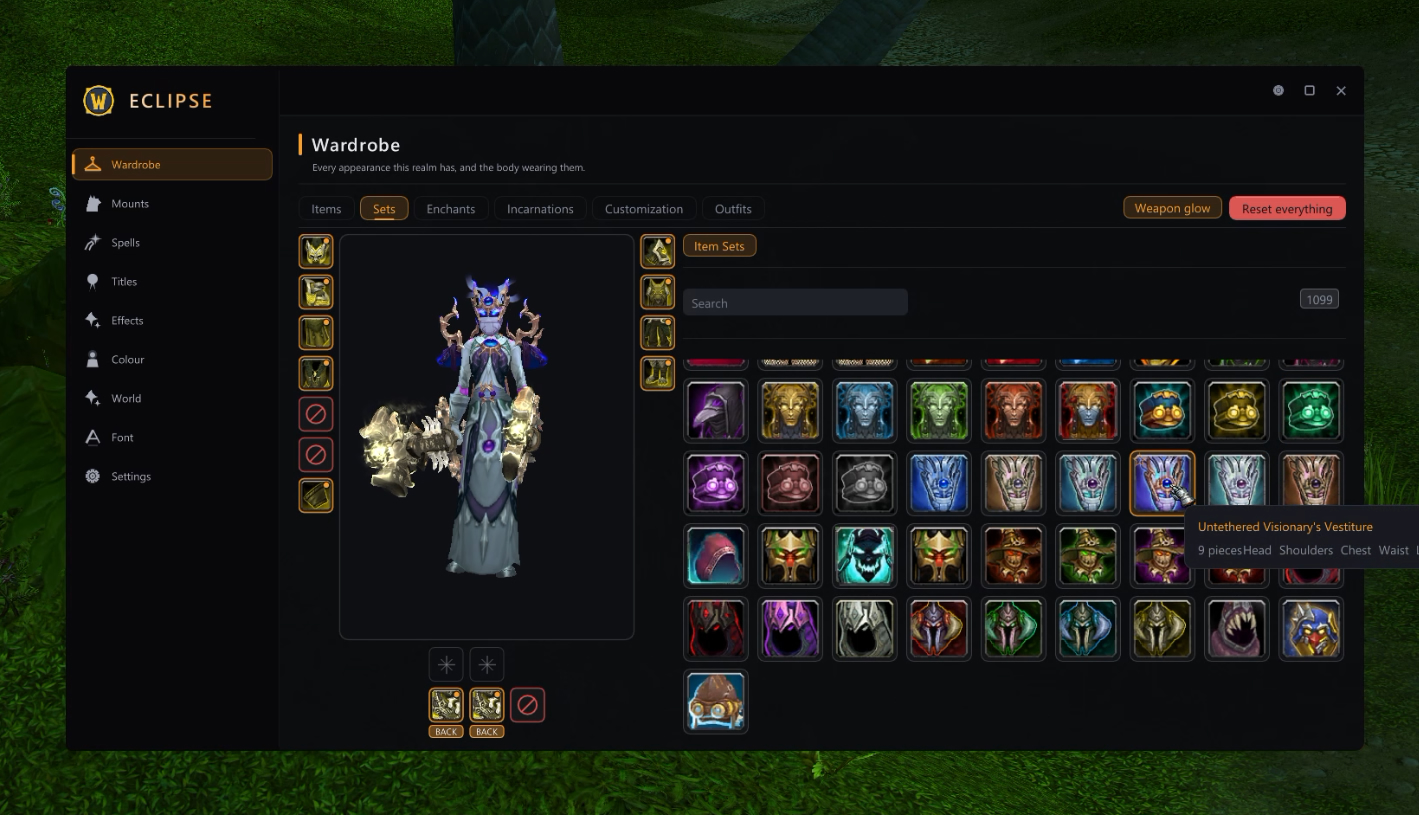
None of this changes Wrath’s quests, zones, or itemization. It changes how the client renders what’s already there, which is why it appeals to a community that wants the original game to look and feel less dated without touching the content underneath it.
Porting Dragonriding into Northrend, and Watching YouTube In-Game
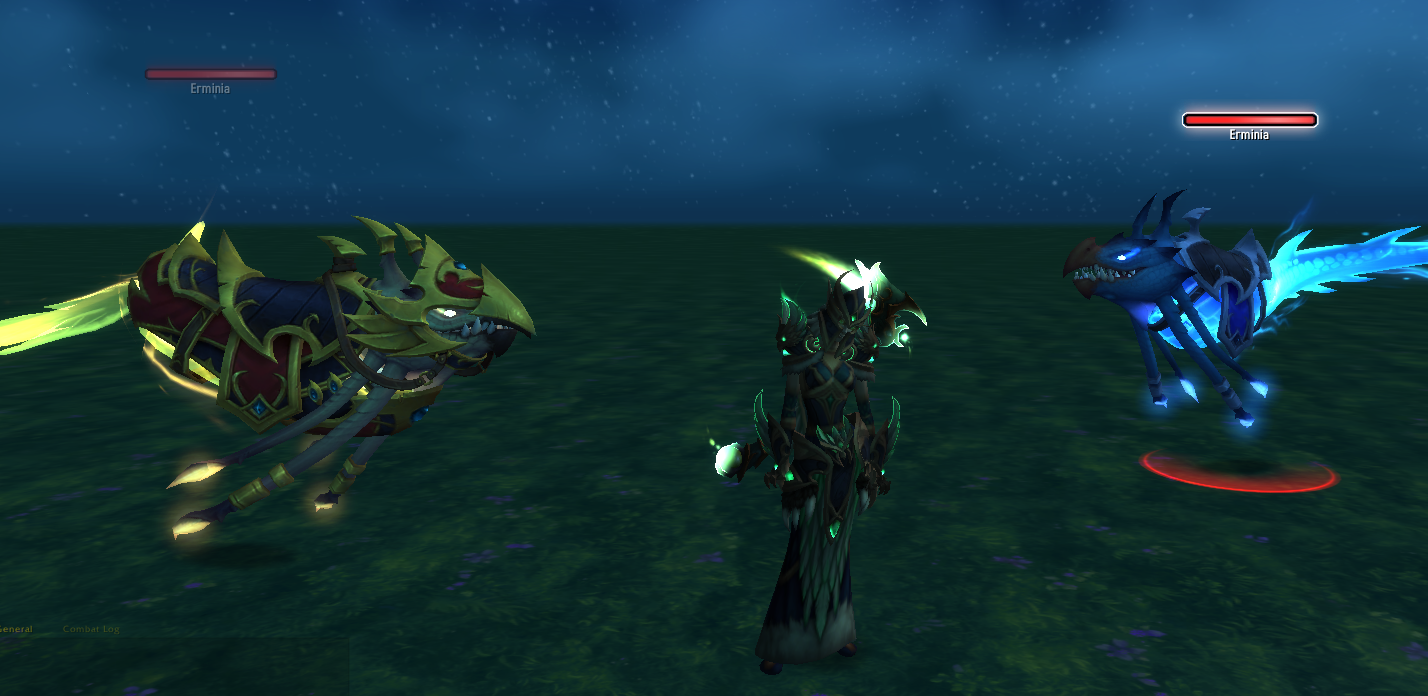
The most ambitious example so far is Dragonriding. Introduced in Dragonflight in 2022, Dragonriding is a flight system built around momentum, gliding, and mid-air abilities, a significant departure from the flat, speed-based flying that’s existed in WoW since The Burning Crusade. Using WarcraftXL as the base, modders have been porting that system back onto the WotLK client, effectively running a 2022 flight mechanic inside an engine built for 2010.
That kind of port only works because WarcraftXL exposes enough of the client’s internals to intercept movement and camera behavior, not just swap out textures. The same access is behind one of the framework’s stranger extensions: a module that streams YouTube video directly onto a surface inside the game world, letting players watch a video without alt-tabbing out of WoW. Older solutions for this relied on projecting an external media player onto the screen from outside the client. Running the video through a WarcraftXL extension instead means it’s rendered as part of the game itself, the same way a modern M2 model or a Dragonflight-era lighting effect is.
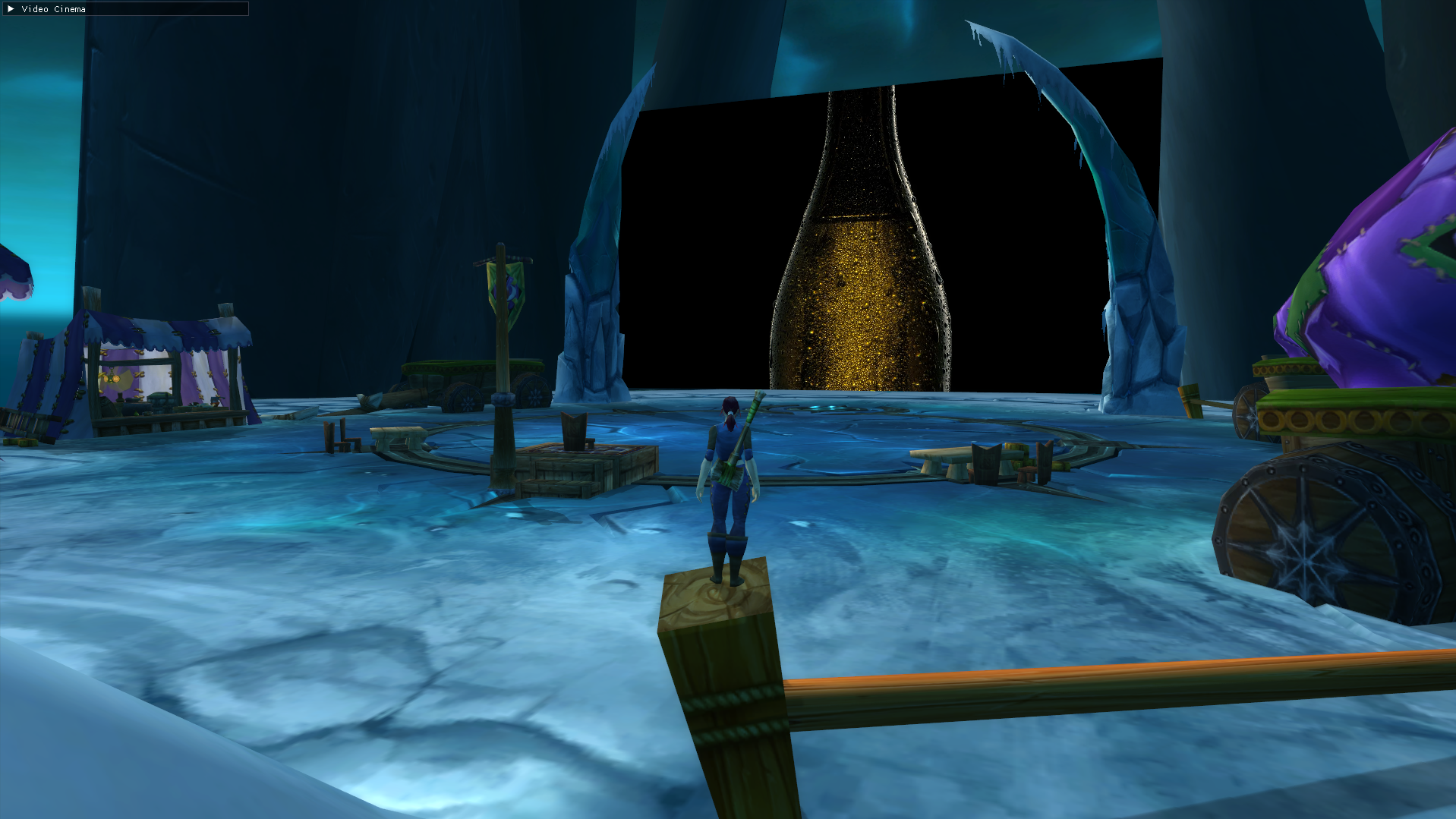
It’s a sign of where this modding scene is headed: past visual upgrades and into rebuilding entire gameplay systems, and even adding features the original engine was never meant to support, on top of an 18-year-old foundation.
What this says about the client itself
None of this activity is coming from Blizzard, and none of it needs to. The 3.3.5 client has become a stable, moddable base that a community of reverse engineers understands well enough to extend indefinitely. Official Classic clients get updates on Blizzard’s schedule and within Blizzard’s design choices. The 3.3.5 client gets updates whenever someone in the community ships a new module, with no restriction on what that module changes.
That’s the practical reason private server players keep choosing an 18-year-old client over anything newer Blizzard puts out: it’s the one client this community fully controls.